

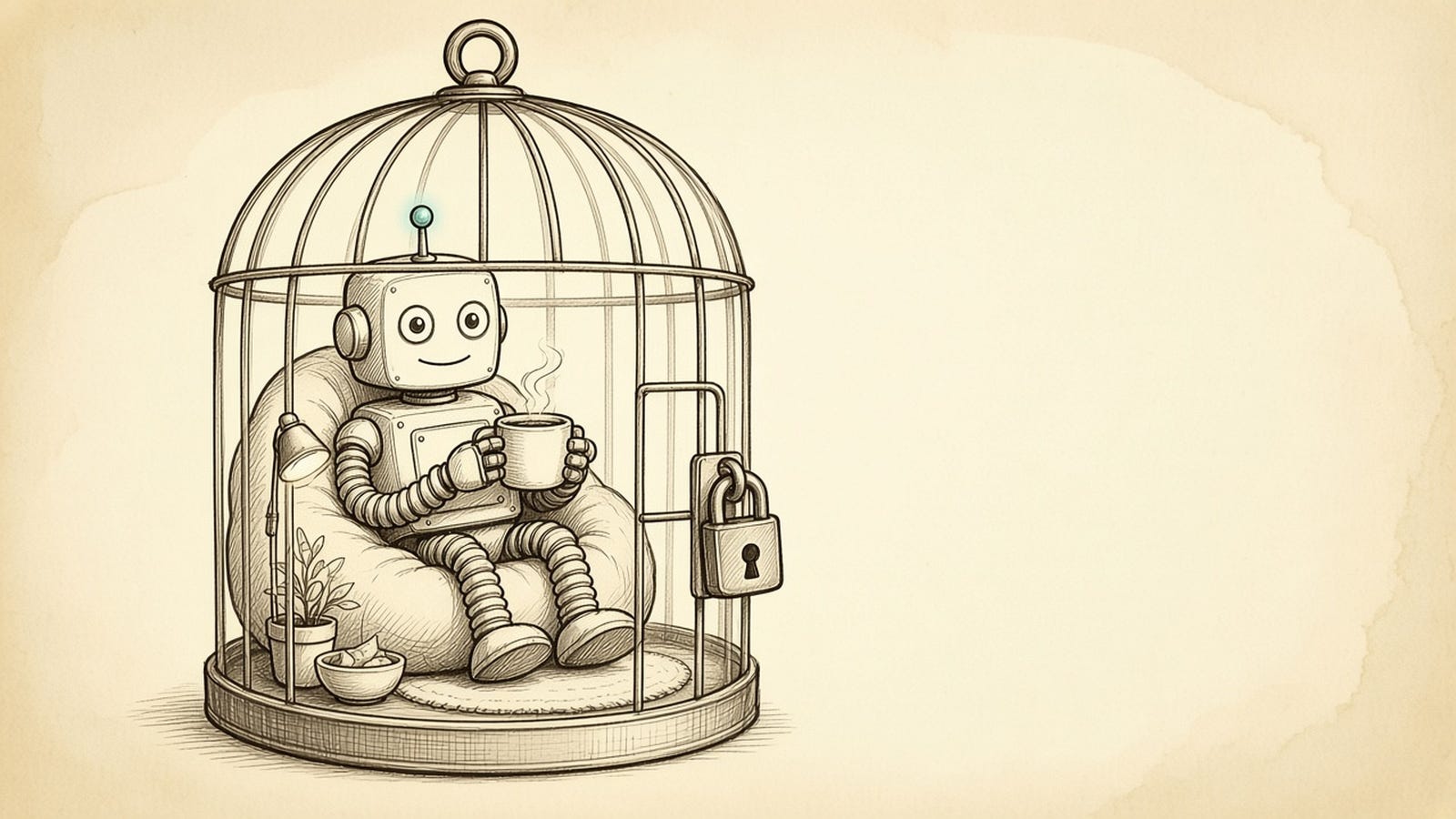
A few months ago, I got obsessed with making sure I had my own backup of my Google Photos. That process was an absolute nightmare. Google technically lets you request your data via Google Takeout, but the process is insane. Getting nearly a terabyte of data out required hundreds of individual zip files, and I had to download them one at a time. I ended up scripting it all while battling their absurdly adversarial protection against automation. They make it so easy to get data in, but feels almost impossible to get it out.
My AI agents feel like they’re already heading the same way, and what they hold is as valuable as 30 years’ worth of personal photos.
I use a bunch of them — Grok Bot, Meta Muse, Instinct, ChatGPT Dot, as well as coding agents like Claude Code, Codex. For the “personal AI agent” category right now, my usage split is:
60% Grok bot
35% Muse
…and the rest dribbling out to the others.
But the truth is, I’m like most people have very little loyalty to any one of them. Each one maintains memories about me: what I’m working on, how I like things done, where I left off on some half-finished or recurring task. That’s useful, and it’s also a form of lock-in every one of these platforms enjoys right now. None of them are incentivized to make it easy to leave, nor to help another agent pick up where they left off.
Some let you export or import. Claude’s import is basically a prompt you paste in. That’s a one-time snapshot, and the day after you copy it over the two agents start drifting apart again, because each keeps learning things the other never hears about. You haven’t moved your memory. You’ve forked it.
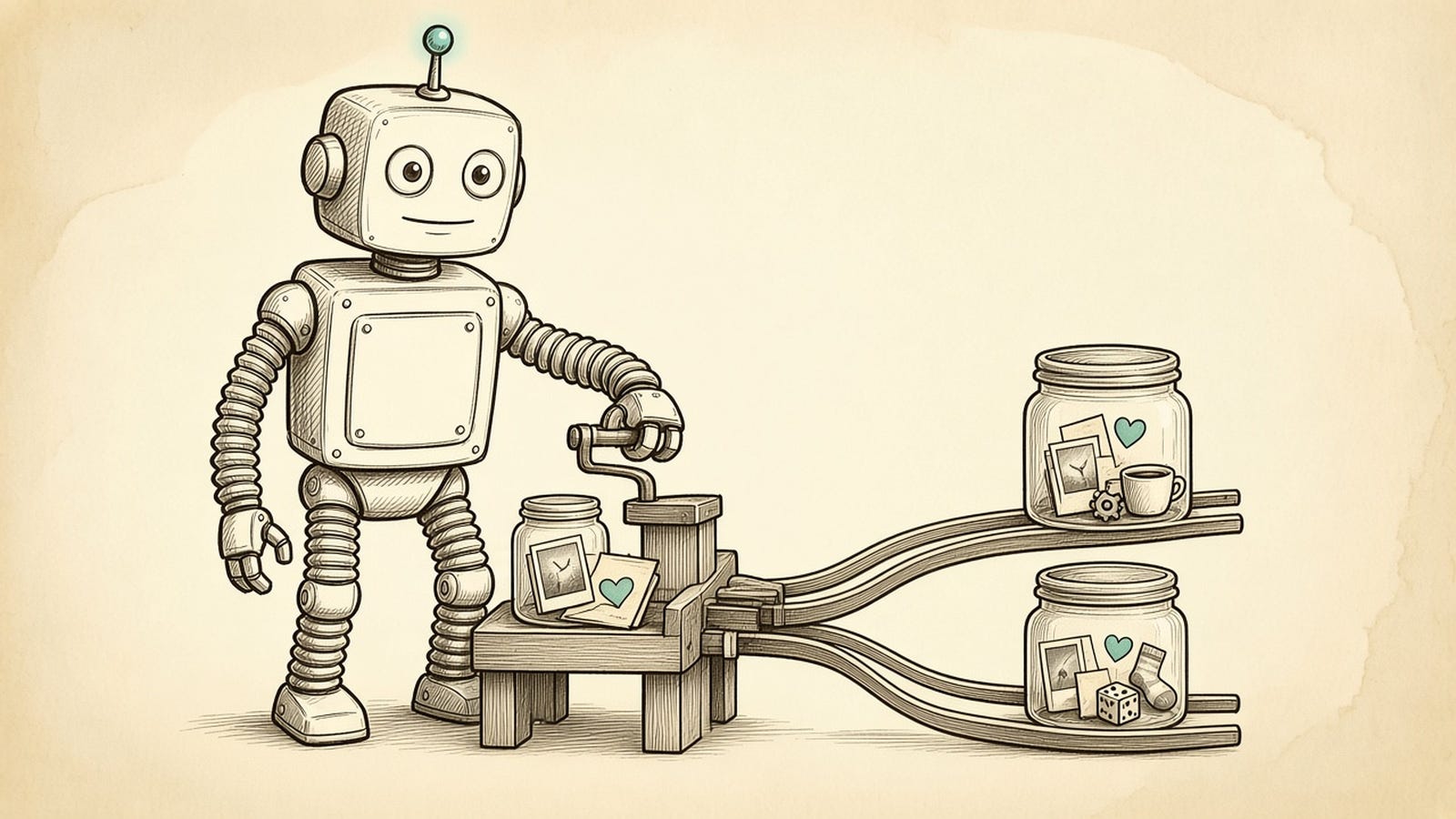
For a seemingly short period of time, people were obsessed with (and talking about) the idea of a second brain. Projects are still chasing it: Garry Tan’s gBrain, Supermemory, Hindsight, Honcho and so many others. I have gBrain running in my Hermes instance, but it’s been a maintenance and complexity nightmare. Every time it updates, there’s something broken with ingestion, embeddings and more. I’m self-hosting gBrain with my Hermes instance, and still struggle with it multiple times a week with broken upgrades, warnings about embeddings and failed dream cycles.
For most people, the hype of second brains fell to the wayside once this current crop of personal agent platforms arose. No one really wants to be an IT admin. Simpler is better.

I think it had to do with getting out of the terminal and into what feels like one long-lived conversation with the same bot, over and over again, vs a disposable set of revolving new chats. When every chat got thrown away, a second brain had an obvious job. Once the bot started remembering on its own, the itch went away. Or it felt like it did.
The promise of a second brain still has tremendous value, because whatever my bot knows lives inside that one bot, on that platform’s terms. I want to start a task, or mention something to one agent, and not feel a total loss when I open a convo with another. Right now switching is like handing a project to a new hire who never got any handoff notes. I re-explain the project and how I like things done, then paste in context I already gave a different agent yesterday. Do that enough and you feel friction to stop switching, which is the lock-in working exactly as they intend.
I don’t know yet what the better version looks like in a form normal people would use. gBrain wasn’t it for me. My bet is it sits outside any single agent, somewhere they can all read from and write to, so the memory is mine and the agent is whoever I’m talking to that day.
Until we get a better second brain making our work and memories more portable, we’ll remain hostages. Willing hostages, but still hostages.